
Searching Williamson County Court Records
How do I search Williamson County court records?
Start by identifying the court. Circuit, General Sessions, and Juvenile records tie to the Circuit Court Clerk. Chancery and probate records tie to the Clerk and Master. Marriage records tie to the County Clerk. No open countywide trial-court search portal was located in this research, so the safest route is to contact the clerk that maintains the file with the party names, the case number if known, the filing year, and the record type. The court records page covers each path in detail.
Where is the main courthouse?
The main court-record destination is the Williamson County Judicial Center at 135 4th Avenue South in Franklin. Circuit Court, Chancery Court, General Sessions Court, Juvenile Court, and the clerk services are all centered there. Use that exact address for mapping. Allow time for downtown parking and security screening at the entrance. The historic courthouse on the square is a landmark, but day-to-day records work happens at the Judicial Center.
What is Tennessee Supreme Court Rule 34?
Rule 34 governs public access to Tennessee court records. It defines court records and explains public access, exclusions, and restrictions. It is the main court-rule source for explaining why some docket information is public while other filings are sealed or redacted. The rule also outlines how a court can seal a record and how someone can ask for access to a sealed file.
Clerks and Records
What is the difference between the Circuit Court Clerk and the Clerk and Master?
The Circuit Court Clerk is the records office for Circuit Court, General Sessions Court, and Juvenile Court. The Clerk and Master is the Chancery Court clerk and handles probate and equity records. This distinction matters because a probate estate, conservatorship, or trust is not searched the same way as a felony criminal case or a General Sessions civil warrant. If you do not know the court, name the case type first: felony, divorce, General Sessions civil, juvenile, probate, or chancery.
How do I get a certified copy?
Contact the clerk that maintains the record. Provide the case number, party names, filing year, document name, and whether you need a plain or certified copy. Certified copies require clerk certification and a fee. If a fee schedule is not posted, ask the clerk before mailing payment. The Circuit Court Clerk page covers certified-copy steps in detail.
How do I request public county records?
Use Williamson County's public records request page or form for county-government records. Court records may need a request to the specific clerk under court-record rules rather than the general county public-records workflow. The public records page covers the Tennessee Public Records Act and the request paths.
Jail and Inmate Questions
Is there a Williamson County online jail roster?
No official public jail roster was located on the Williamson County Sheriff's Office site during this research. The Detention Division page describes the Criminal Justice Center and its 454-bed capacity, but a searchable public roster was not exposed in the inspected pages. Use the Sheriff's Office contact channels for current custody, the inmate records page for the full process, and VINELink for notifications.
How do I find a state prison inmate?
Use TDOC FOIL, the Tennessee Felony Offender Information Lookup, at https://foil.app.tn.gov/foil. It searches Tennessee felony offender records. It is different from a county jail roster; county jail custody must be verified through the sheriff or VINELink if available. State and county records can show different information for the same person.
What does "pretrial" mean in the jail population?
Pretrial means the person is in custody before final disposition or conviction in the case holding them. The Sheriff's Office states the detention center houses both pre-trial and sentenced individuals, but the official page does not provide a current pretrial and sentenced breakdown. Do not infer guilt from pretrial custody. The jail population page explains the difference between capacity, bookings, and average daily population.
Probate, Marriage, and Divorce
Which court handles probate in Williamson County?
Probate is handled through Chancery Court and the Clerk and Master. Tennessee does not call this a Surrogate's Court or an Orphans' Court. Probate filings may include estates, wills, letters, inventories, guardianships, conservatorships, and trust matters. Request probate records from the Clerk and Master using the decedent or estate name and the case number when you have it. The probate records page covers the process step by step.
Which office handles marriage licenses?
The Williamson County County Clerk handles marriage licenses. Applicants may begin with the Tennessee County Clerk online marriage pre-application, but they must follow Williamson County's official process for identification, payment, issuance, and certified copies. See the County Clerk page for the full marriage flow.
Are divorce records public?
Many divorce docket records are public, but not every document is freely available. Records involving minor children, protected addresses, financial account numbers, sealed exhibits, or confidential information may be redacted or restricted. Search through the clerk handling the divorce case and request certified copies from that office.
Restricted and Confidential Records
Are juvenile records public?
Juvenile records are restricted under Tennessee law. Access may be limited to parties, counsel, agencies, or persons with court authorization. Public pages should not imply that juvenile case details can be searched like adult civil or criminal dockets.
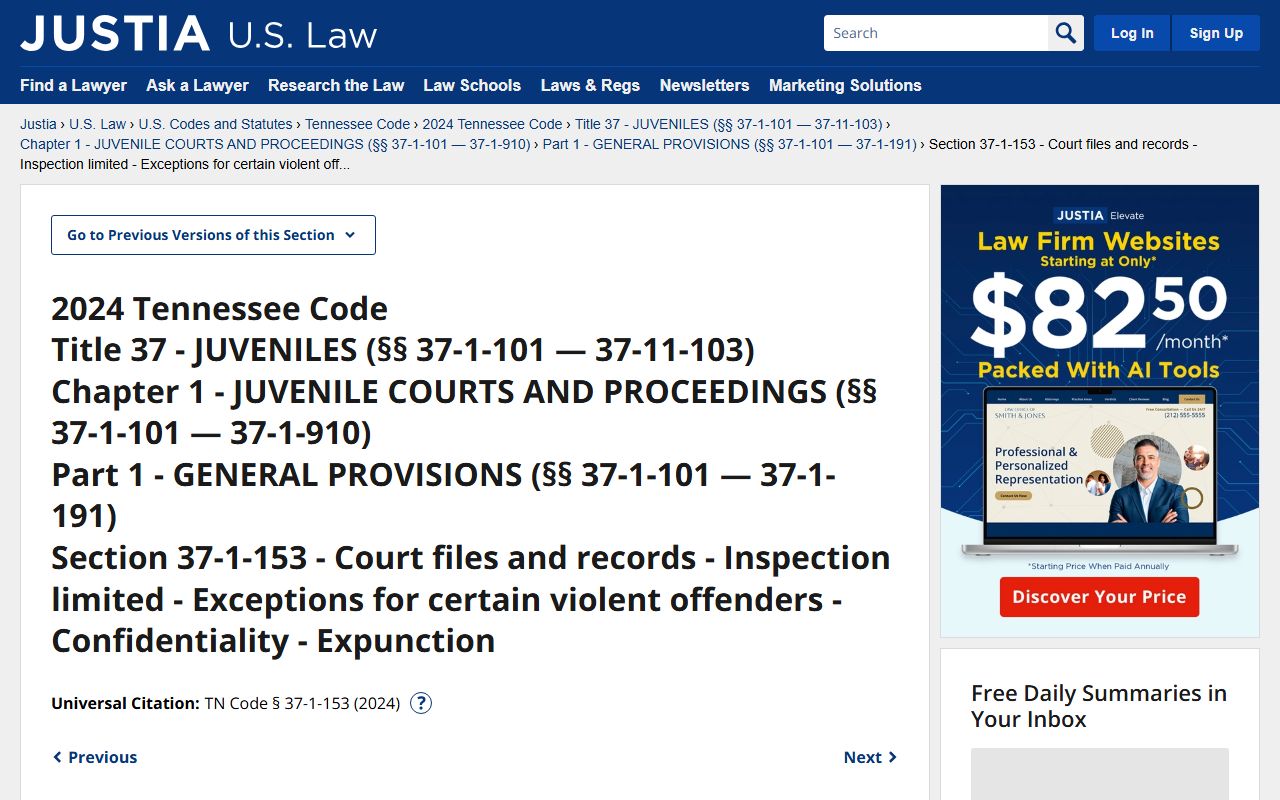
The rule appears in Tennessee Code § 37-1-153. Juvenile court files in Williamson County follow that confidentiality framework.
Can an arrest be expunged?
Some Tennessee criminal records can be expunged under Tennessee Code § 40-32-101, especially dismissals, acquittals, no true bills, and certain eligible convictions or diversion outcomes. Eligibility is specific, so the person should check the statute, the clerk process, and legal counsel. The arrest records page covers expunction and the difference between sealed and expunged.
Warrants and Traffic
Does Williamson County publish active warrants online?
No official public active-warrant search was located in this research. Verify warrants through official sheriff or court channels. Do not rely on unofficial warrant websites. The warrant records page explains how to verify safely and how to resolve an outstanding warrant.
What happens if I miss court?
The judge may issue a bench warrant or capias, forfeit bond, add costs, suspend driving privileges in traffic matters, or reset the case with conditions. Contact the clerk and an attorney quickly; do not assume a missed date disappears. The court dockets page covers how to confirm a setting before it passes.
How do I pay or contest a traffic ticket?
Look at the citation for the court name. County General Sessions and municipal courts are different. Pay only through the official court or the payment vendor listed by the court. To contest, follow the court date and plea instructions and ask the clerk about rescheduling before the date passes. The traffic court records page covers paying, contesting, and the distinction between court records and state driver records.
Federal Cases
Where are federal cases searched?
Federal cases are searched through PACER and the federal court, not Williamson County. Williamson County is in the U.S. District Court for the Middle District of Tennessee, with bankruptcy in the Middle District bankruptcy court and appeals to the Sixth Circuit.
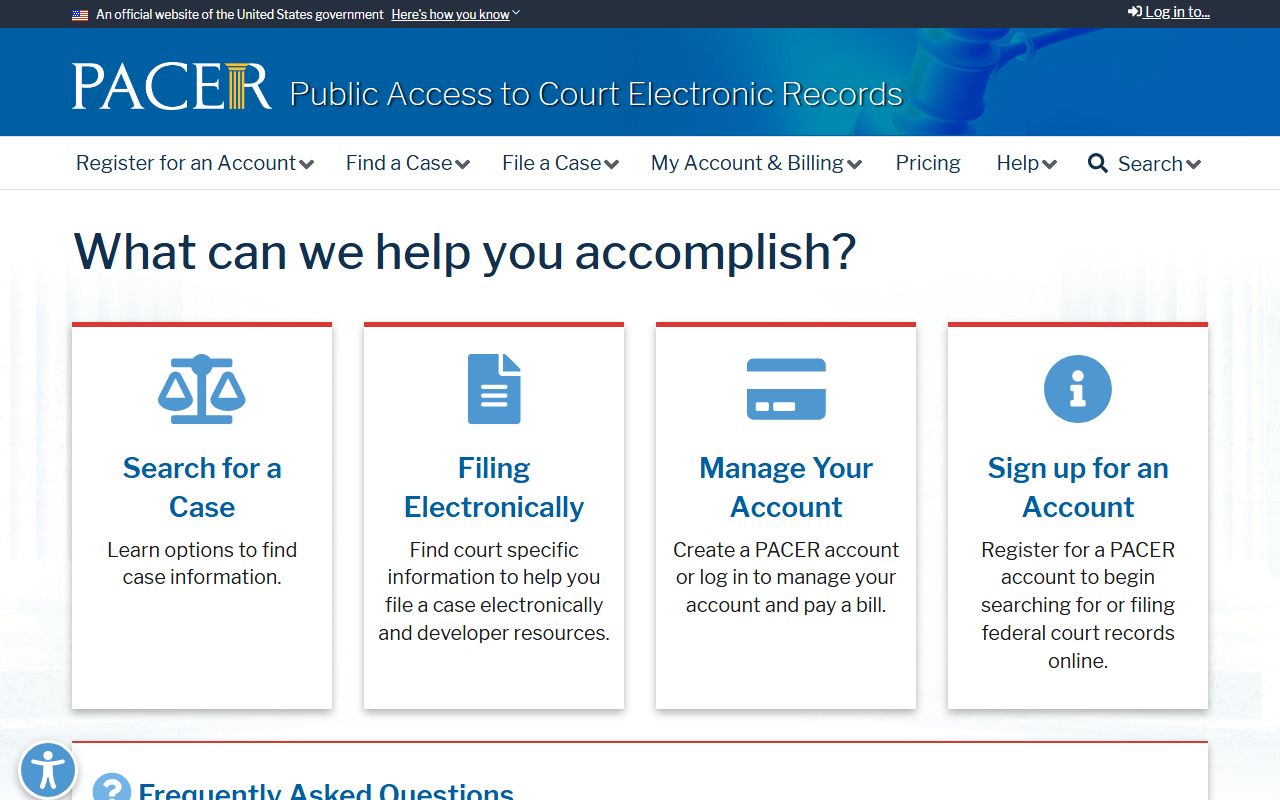
You can register and pay at PACER. PACER charges per-page fees subject to the federal fee schedule, with quarterly fee-waiver thresholds. Use it for federal docket access; do not expect to find Williamson County trial-court files there.
Practical Court Visit Questions
What should I bring to the courthouse?
Bring government photo ID, the case number if known, party names, the filing year, payment for any copies, and any notice or citation you received. Do not bring weapons or items that will not pass security. For certified copies, bring enough information for the clerk to identify the document. For hearings, bring copies of filed papers, proof of service, exhibits, and any required forms. Arrive early for parking, downtown walking time, and screening.
Can the clerk give me legal advice?
No. Tennessee court system employees may not practice law, including legal referrals, legal research, or legal advice. Clerks can usually provide procedural information, forms, filing fees, copy processes, and docket access information, but they cannot tell a person what to file, what argument to make, whether a plea is wise, or how a judge will rule. Users who need advice should contact an attorney or legal aid.
How do I know whether a case is in county or municipal court?
Look at the citation, summons, warrant, complaint, or notice. County General Sessions usually handles county-level misdemeanors, preliminary criminal matters, traffic, civil warrants, and detainers. Municipal courts handle city ordinance and city traffic cases. If the ticket names a city like Franklin or Brentwood, do not assume the county clerk has it. The municipal court clerk is the right contact for those questions.